 EnergyAISolutions
We design, build & optimise energy systems with applied AI.
From microgrid dispatch analysis and renewable sizing to custom embedded hardware and deep-reinforcement-learning control — EnergyAISolutions turns engineering theory into deployed, revenue-generating systems.
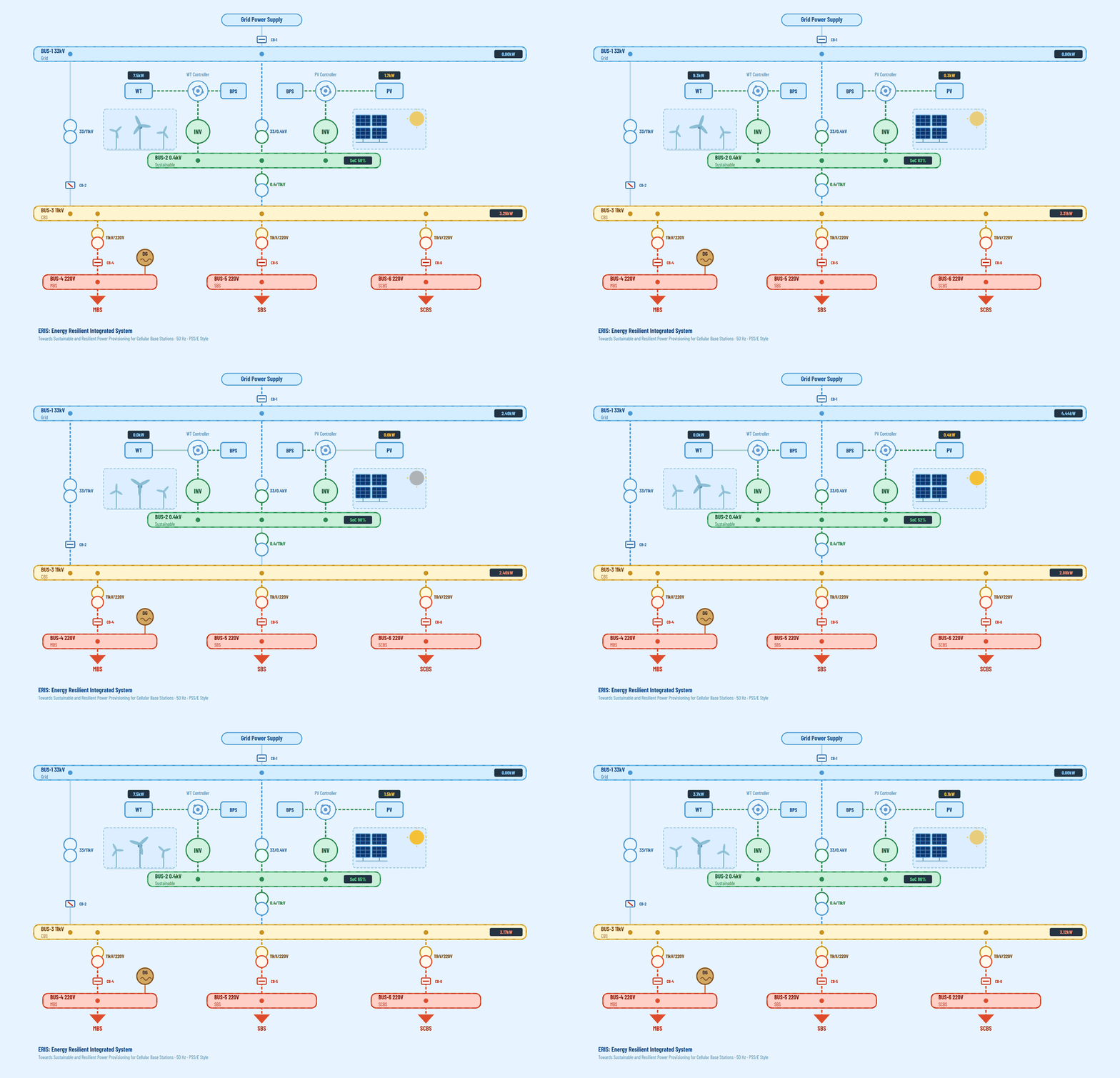
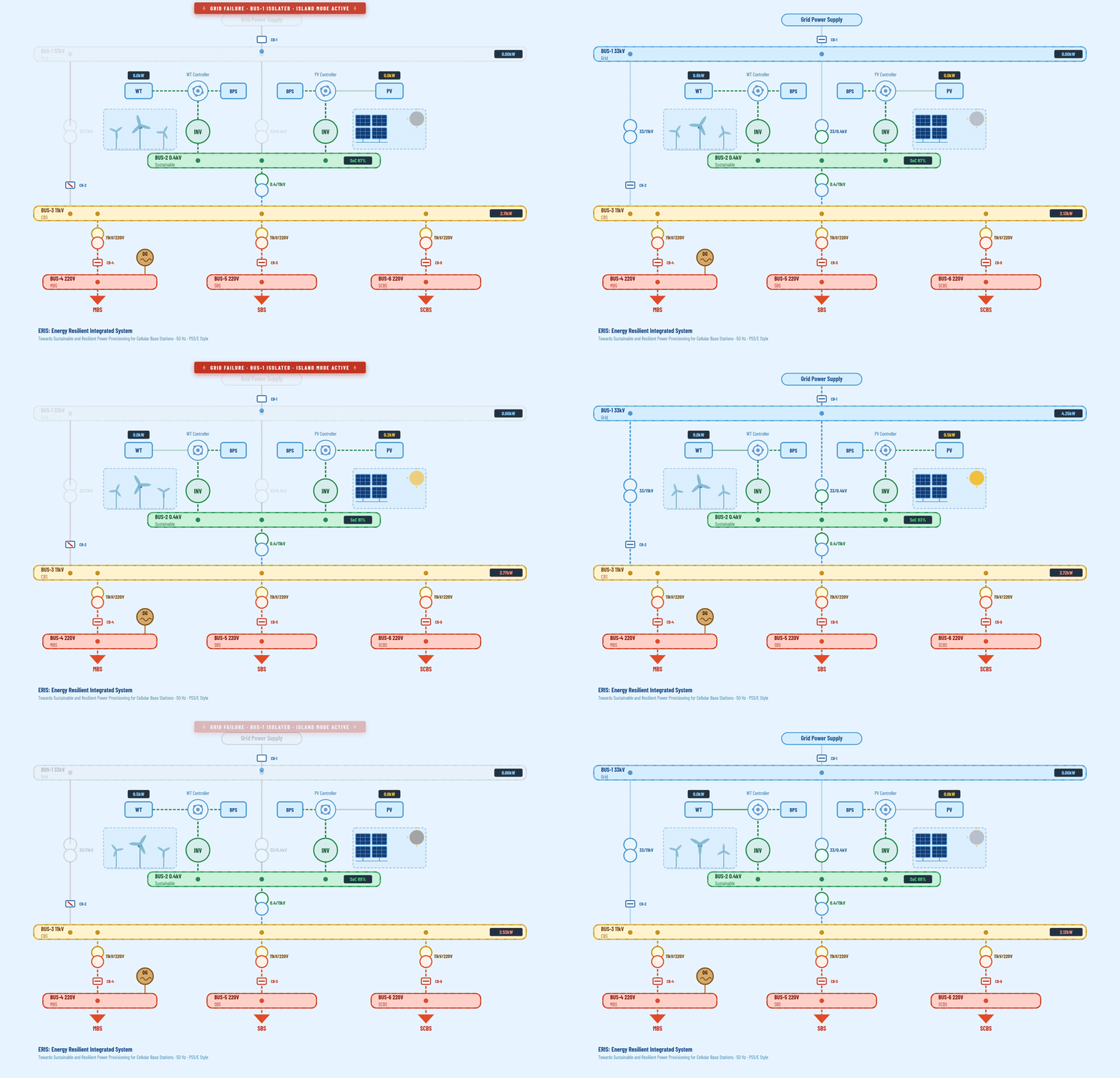
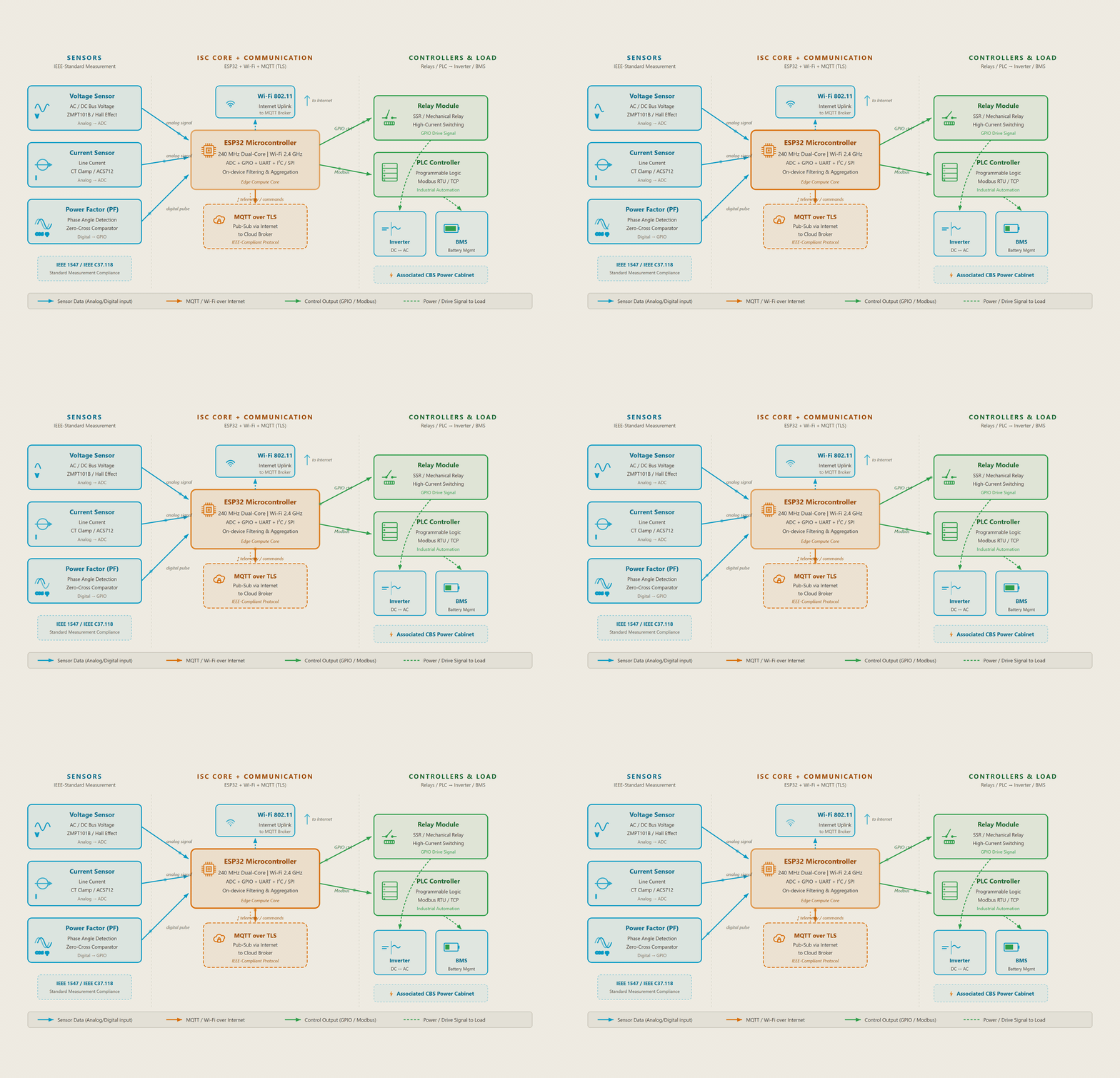
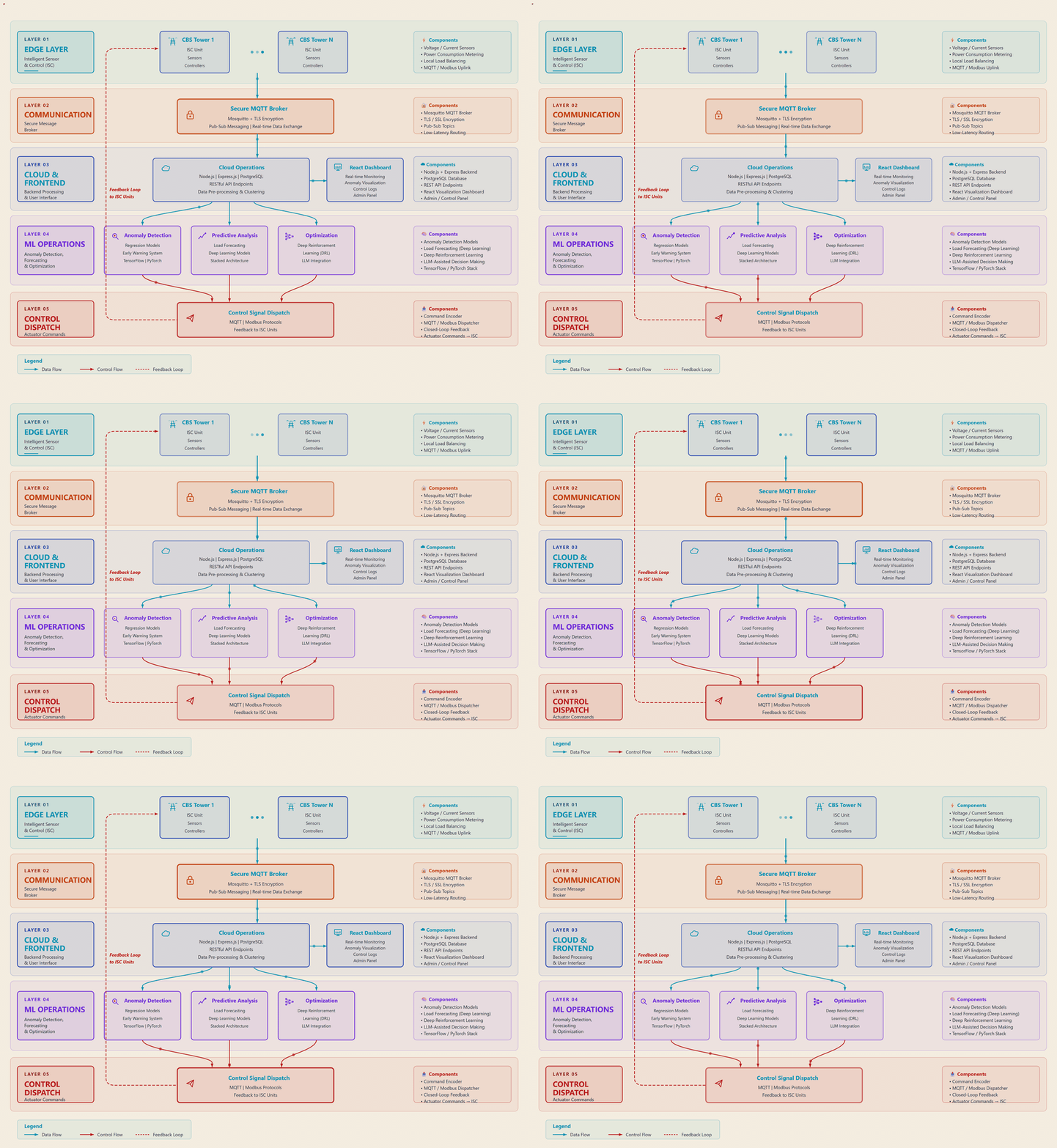
Three connected practices, one engineering team.
Most providers stop at a report. We carry a problem from analysis through hardware to an intelligent controller running in the field.
Design & Consultation
Microgrids, renewables and backup power — dispatch analysis, optimal sizing, feasibility and full reporting.
Product Development
Embedded systems, PCBA design and web platforms — the hardware and software layer that makes a system real.
AI Development
Predictive transformers, ML anomaly detection and adaptive control with deep RL & MILP optimisation.
Research-grade methods, field-grade delivery.
We bridge the gap between academic energy & AI research and what actually survives commissioning on site — with deep, practical deployment experience across the full stack.
About the team →